
 Village treks · Vietnam · Laos · Cambodia
Treks · Booking
How to book a trek
Booking a private trek takes five steps and, for routes near a border, about a week of paperwork. Here is what we need from you at each step, and why.
Five steps
- 01
Send the form
Dates or a month, party size, the trek you are looking at, and what you walk at home.
- 02
Get the plan and quote
We reply by email with the day plan for your dates and one price for the trip.
- 03
Confirm and pay the deposit
Through the payment methods set out on your quotation. Your dates are then held with guides and houses.
- 04
Send passport details
We need them for homestay registration and, near borders, for permits.
The fifth step is walking. Your guide meets you at your hotel at the time in the plan, checks your footwear and pack, and you set off. Payment methods, deposit and balance rules are written on your quotation.
What to tell us in the first message
- Dates, or a window. 'Any five days between 20 September and 10 October' lets us aim for the harvest.
- Party size and ages. Teenagers are welcome on grade 1 and 2 routes; tell us ages so we can plan the days.
- What you walk now. 'Ten kilometres on hilly paths every weekend' tells us more than 'reasonably fit'.
- Knees, ankles, diet. Steep descents and village menus are easier to plan around in advance.
- Where you will be before. Hanoi, Sa Pa, Luang Namtha, Phnom Penh: it decides the start of the plan.
The more of this arrives in the first message, the fewer emails it takes. The contact page explains how the form works and what happens to your details.
Paperwork and lead times
Two rules in Vietnam shape how far ahead we need your details. First, every homestay must declare its foreign guests' temporary residence to the commune police, within 12 hours of arrival, or 24 hours in remote areas, under Law 47/2014. Hosts do this from your passport details, which we pass on. Second, where a route enters a land border area, as parts of Hoang Su Phi do, Decree 34/2014 requires a permit from the provincial police for foreigners, and the organisation bringing them in must notify the police and border guard at least 24 hours ahead.
In practice, we ask for passport scans at least seven days before a Hoang Su Phi trek and at least three days before any other Vietnam trek. For Laos and Cambodia we need names and passport numbers for the village and camp registers.
Sources: Law 47/2014/QH13 on foreigners' entry and residence, Article 33; Decree 34/2014/ND-CP on land border areas (English text) · checked .
Visas
Visas are your responsibility and rules change. Check the official electronic visa portals before you book flights: Vietnam's at evisa.gov.vn, Laos's at laoevisa.gov.la and Cambodia's at evisa.gov.kh. If you plan to cross a land border between Vietnam and Laos, confirm that your visa type is accepted at that specific crossing; not every border post takes every electronic visa.
Changes after booking
Weather is the usual reason a plan changes on the day. Your guide may switch a ridge path for a valley path after heavy rain, or shorten a day if a landslide blocks a road. These changes do not change the price. If you need to change dates before travel, tell us as soon as you know; what that costs depends on how close it is to departure, as set out in the booking terms.
If you fall ill or are injured on a trek, the guide's first job is to get you to the nearest road and a vehicle. That can take hours on some days; it is why we ask everyone to carry insurance that covers evacuation from remote areas.
Before you send the form
- Read the trek page's 'not for' list. If one of the points is you, tell us; there may be a better route.
- Look at the season chart for your month.
- Check the packing list, especially footwear.
- Compare treks on the route table by the hardest day, not the total.
Plan My Trip
Ready?
The form takes two minutes. We reply by email to the address you give.
Common questions
Questions travellers ask most
How far ahead should we book?
For the late-September harvest weeks and Lunar New Year, two to three months ahead. Otherwise three to four weeks is usually enough, with passport details at least a week before a border-area trek.
Why do you need our passport details?
Vietnamese homestays must register foreign guests with the commune police, and border-area routes need a provincial police permit. Both are done from passport details.
Can we book a trek starting tomorrow?
Sometimes, for Sa Pa or Pu Luong outside peak weeks. Not for Hoang Su Phi, because the border-area paperwork needs time.
Related
Read next
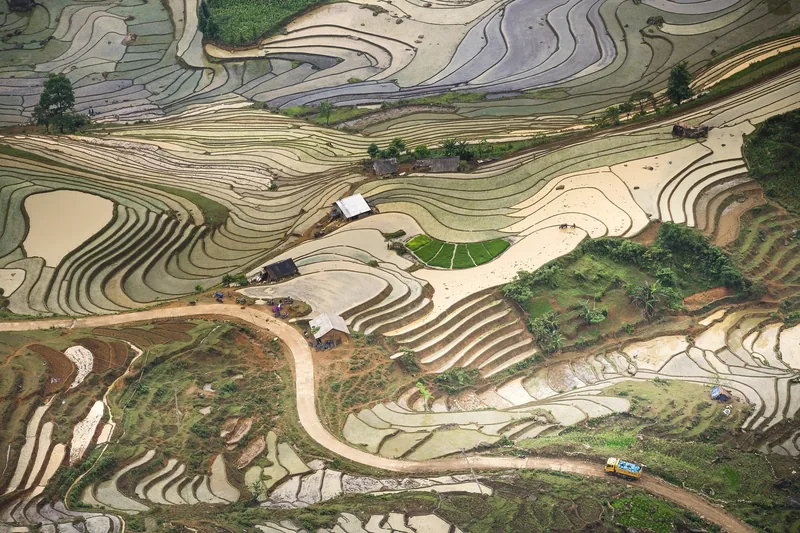
Treks · Prices
Trek prices
What goes into a trek quote, line by line.
View journey
Treks
Treks
All five treks in one table, with grades, days and village nights.
View journey
Contact
Contact
How to send a trek enquiry and what happens next.
View journey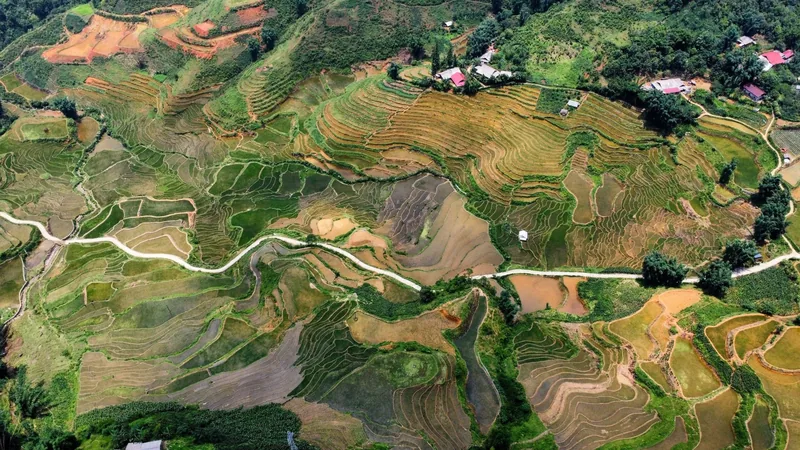
Plan · Route table
Route table
Every trek's days, distances, climbs and seasons in one table.
View journey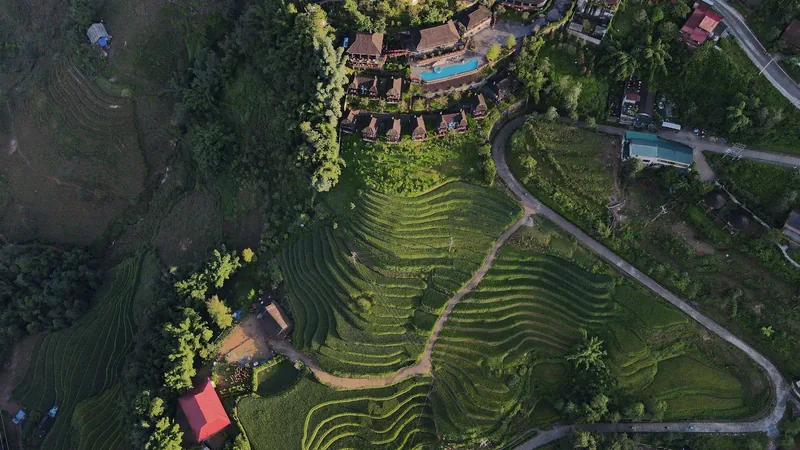
Plan · Packing
Packing list
What to carry for wet paths and cold homestay nights.
View journey
About
About
How Indochina Trek works, and what it does not do well.
View journey
Start planning
Tell us about the trip you have in mind
Dates, party size and the places you care about are enough to start. You get a draft route and an indicative price, not a brochure.