
 Village treks · Vietnam · Laos · Cambodia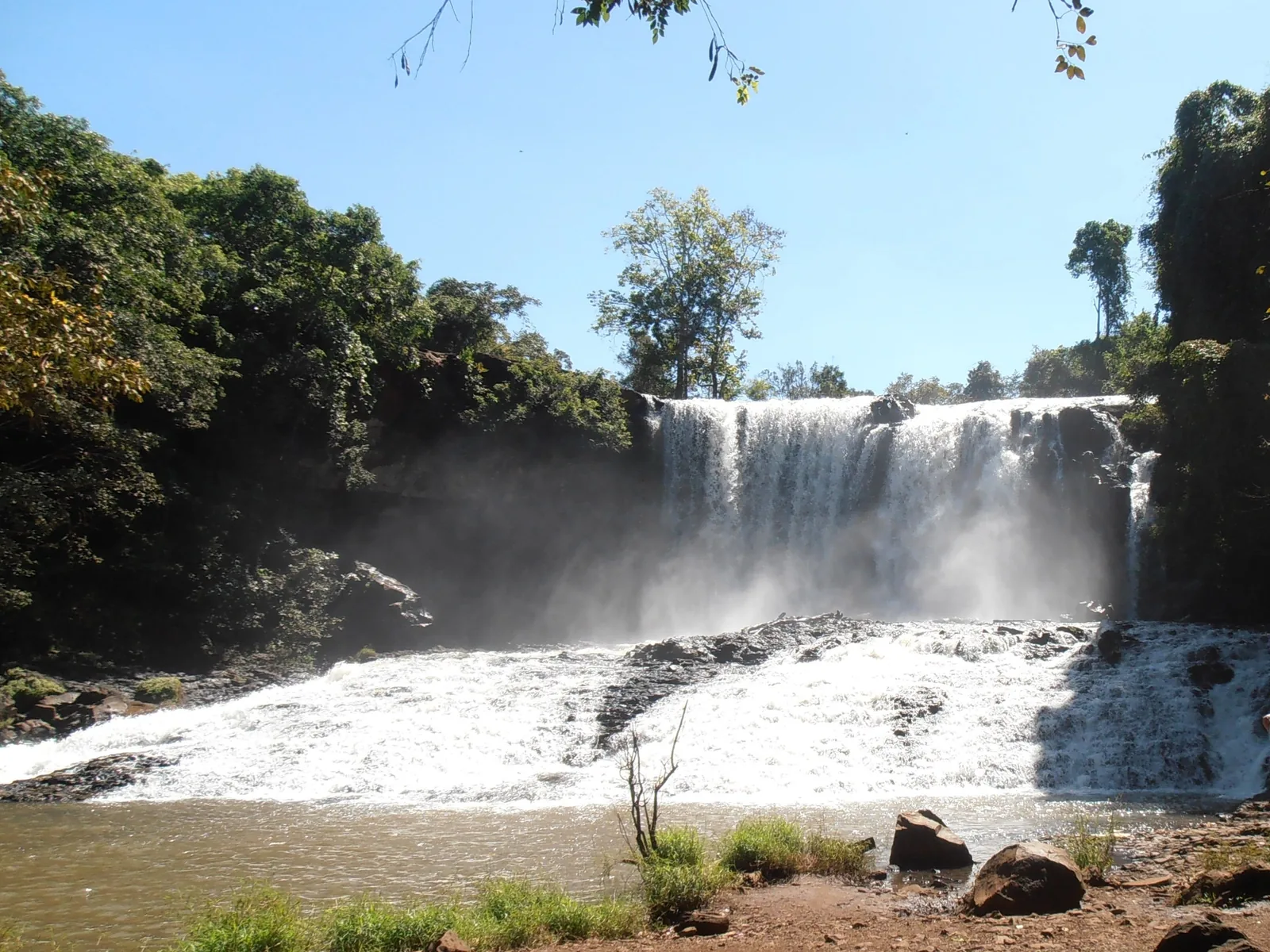
Treks · Cambodia · Mondulkiri
Mondulkiri forest, three days, two camp nights
Three days walking in Keo Seima Wildlife Sanctuary with Bunong guides, two nights at a community forest camp and a dawn search for wild gibbons. Grade 1 by numbers; the heat adds to it.
At a glance
- Duration
- 3 days, 2 nights
- Distance
- about 25 km
- Total climb
- about 600 m
- Nights
- 2 at a forest camp
- Grade
- 1 · steady, hot
- Price
- On request, per trip
This is the one trek on our list that is not a homestay. Keo Seima Wildlife Sanctuary covers about 2,927 square kilometres across Mondulkiri and Kratie provinces and is home to Bunong communities. In March 2012 the Bunong village of Andoung Kraloeng received a collective land title for its community. Its forest camp, built in a Bunong style, hosts walkers who come with community guides to look for the sanctuary's habituated groups of southern yellow-cheeked crested gibbons.
It suits people who want forest and wildlife over terraces and villages, and who cope with heat. The walking is mostly level or rolling, but humidity under the canopy makes 12 kilometres feel much longer.
Day by day
Day 1
Sen Monorom to the forest camp
Pick-up in Sen Monorom in the morning and a drive to Andoung Kraloeng; the time depends on the state of the road and we confirm it when we quote.
After lunch at camp, a first walk with Bunong guides introduces the forest: the big trees, the streams, and the sounds to listen for the next morning.
Day 2
Dawn gibbons and a forest loop
The gibbons' dawn call, heard from the forest floor
Wake before dawn and walk in the dark to where the gibbons sing. If the group is located, you watch from the ground as they move through the canopy. Sightings are not certain.
After breakfast back at camp, a longer loop through the forest with your guides, returning in the afternoon for a rest in the hottest hours.
Day 3
Morning walk out, back to Sen Monorom
A final morning walk by a different route, lunch at camp, then the drive back to Sen Monorom in the afternoon.
Distances and climbs are planning estimates. Camp availability and the walking routes are set with the community; the plan may change with the season and the gibbons' movements.
How this trek differs from our other four
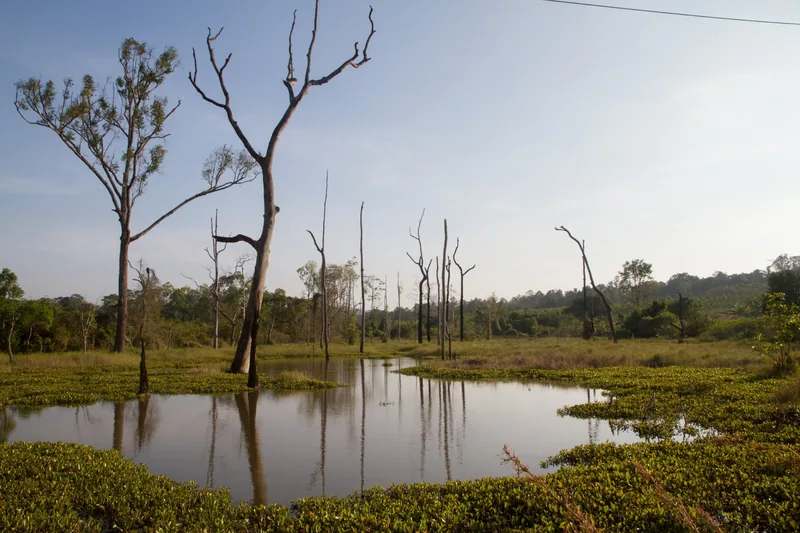
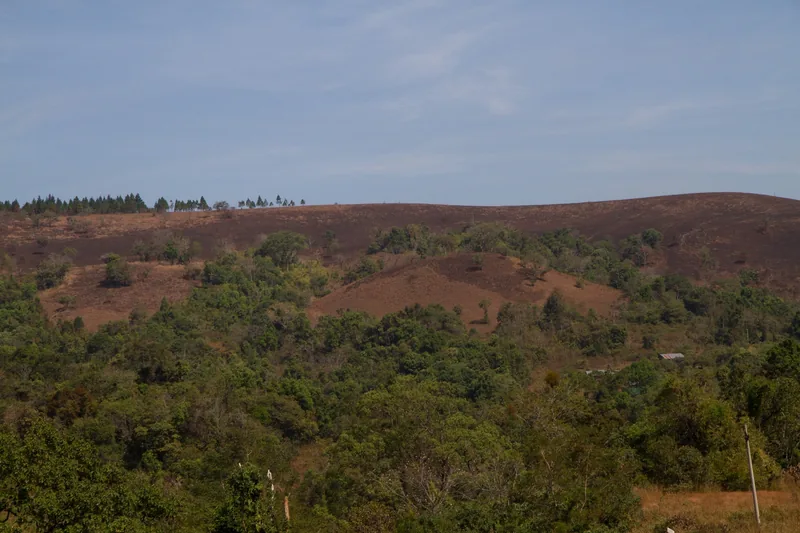
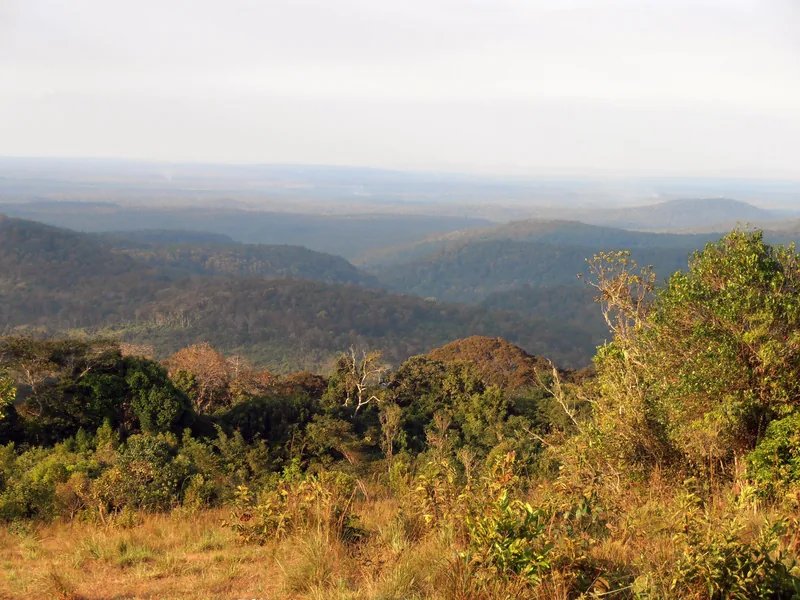
Everything about Mondulkiri is the reverse of northern Vietnam. There are no terraces and few climbs. The landscape around Sen Monorom is rolling grassland and forest on a low plateau; inside Keo Seima the forest closes in, and the interest is in what lives in it rather than in a view from a ridge. The sanctuary is home to primates such as black-shanked douc langurs as well as the southern yellow-cheeked crested gibbons that the dawn walks set out to find.
The rhythm of the days is different too. You start very early, rest through the hottest hours at camp, and walk again in the late afternoon when the forest is active. Evenings are spent around the camp, not in a family kitchen. If you have walked in Sa Pa or Pu Luong already and want a contrast, this is the one; if you have never trekked before, it is a gentle introduction to walking days, as long as you handle heat.
Sources: Keo Seima Wildlife Sanctuary, Wikipedia · checked .
How hard it is, in numbers
| Day | Distance | Climb | Walking time | Conditions |
|---|---|---|---|---|
| 1 | 6 km | 150 m | 2.5 h | forest trail, afternoon heat |
| 2 | 12 km | 300 m | 5–6 h | pre-dawn start, humid canopy |
| 3 | 7 km | 150 m | 3 h | forest trail, morning |
By distance and climb this is grade 1 on our route scale. By comfort it is not: daytime heat and humidity, a 04:30 start on day two and two nights on a camp bed. Drink more water than you think you need.
The camp nights
The camp is built from bamboo and wood in a style based on Bunong houses, with raised sleeping platforms, mosquito nets and shared washing facilities. Meals are cooked by the community team. It is simple and clean; it is not a hotel and not a family's home.
We call this a camp rather than a homestay on purpose. If sleeping inside a family house is the part of trekking you want most, one of our Vietnam routes or Nam Ha in Laos will give you that.
Sources: Sustainable Travel International, Keo Seima project page; Keo Seima Wildlife Sanctuary, Wikipedia · checked .
Price and what it includes
| Party | Trek price |
|---|---|
| Private, 1 traveller | On request |
| Private, 2 travellers | On request |
| Private, 3 – 4 travellers | On request |
| Private, 5 – 8 travellers | On request |
What the price includes
- English-speaking trek guide
- Bunong community guides at camp
- Two nights at the forest camp
- All meals from lunch on day one to lunch on day three, and drinking water
- Community and conservation fees
- Vehicle Sen Monorom – camp – Sen Monorom
What it does not include
- Hotel nights in Sen Monorom
- Travel to Sen Monorom
- Cambodian visa
- Travel insurance that covers trekking
- Drinks other than water
- Tips
See the pricing page for how we quote, and how to book for the steps.
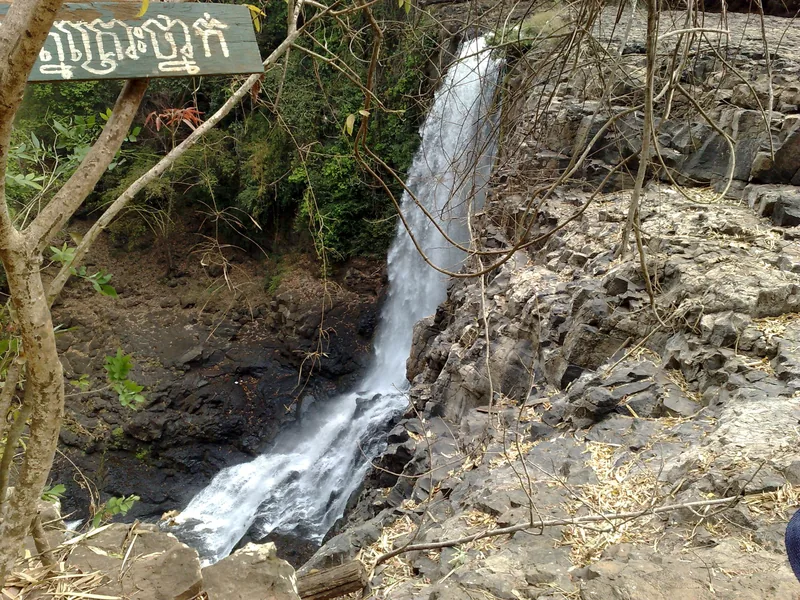
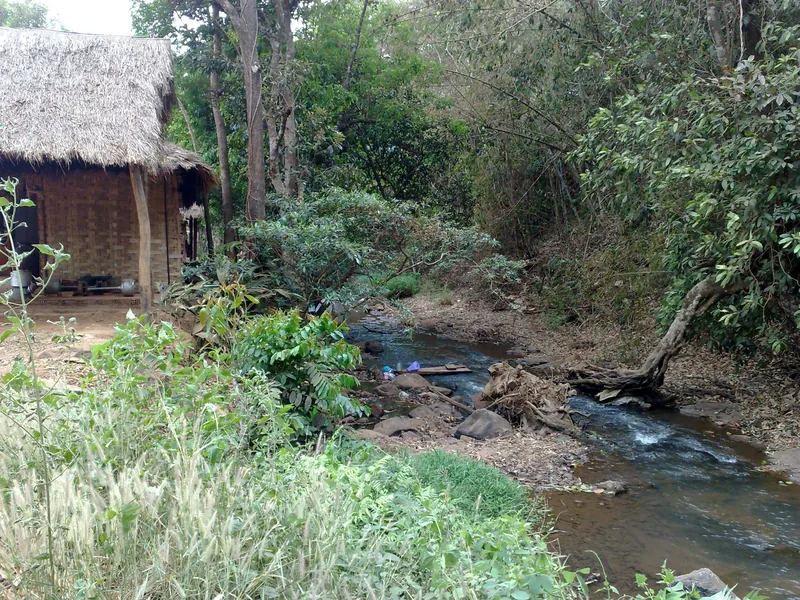
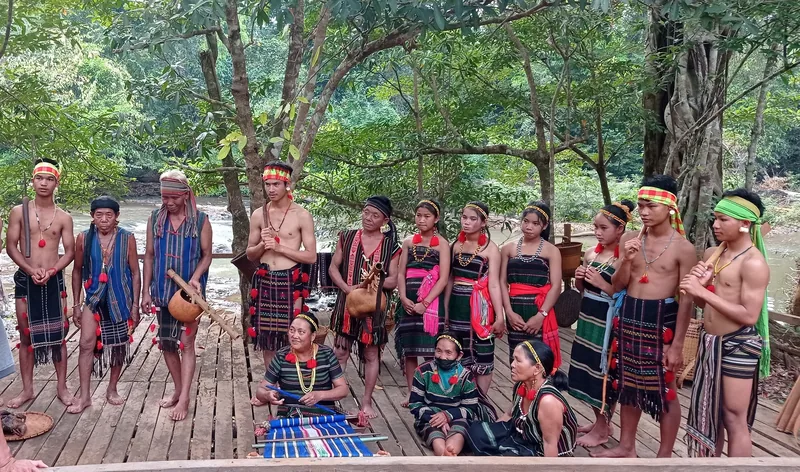
Pictures from the route
Who this trek is not for
- Anyone who wants a village homestay. These are camp nights.
- Travellers who struggle in heat and humidity, even on flat ground.
- Anyone who needs to be sure of a wildlife sighting. Gibbons are often heard and less often seen.
- Travellers from June to October who do not want rain and mud; August is the wettest month in Sen Monorom.
Rules on this route
Keo Seima is managed by Cambodia's Ministry of Environment with technical support from a conservation organisation, and 11 indigenous communities hold legal rights to their land inside it. Visits run through the community: you walk with their guides, keep voices low near the gibbons, and stay on the paths they choose. In Mondulkiri more broadly, elephant projects that follow good practice let visitors watch elephants from a distance only; we do not include elephant riding or bathing.
Plan My Trip
Want forest over farmland?
Send your dates in Cambodia and we reply with the camp's availability.
Sources: Keo Seima Wildlife Sanctuary, Wikipedia; Sustainable Travel International, Keo Seima project page; Sen Monorom climate table, Wikipedia · checked .
Common questions
Questions travellers ask most
Will we see gibbons?
Often you hear them; seeing them depends on where the group is that morning and on the weather. The camp works with habituated groups, which improves the odds, but nobody can promise a sighting.
Is this a homestay?
No. You sleep at a community-run forest camp. It is the only trek on our list without family-house nights.
How hot is it?
Days are warm all year and humid under the canopy. The cooler, drier months are November to February; the rain falls mostly from June to October.
How do we get to Sen Monorom?
By road from Phnom Penh. We can arrange a private transfer, or you can arrive independently and meet your guide in Sen Monorom.
Related
Read next
Regions
Regions
The trekking regions compared: altitude, rain, terrain, access.
View journey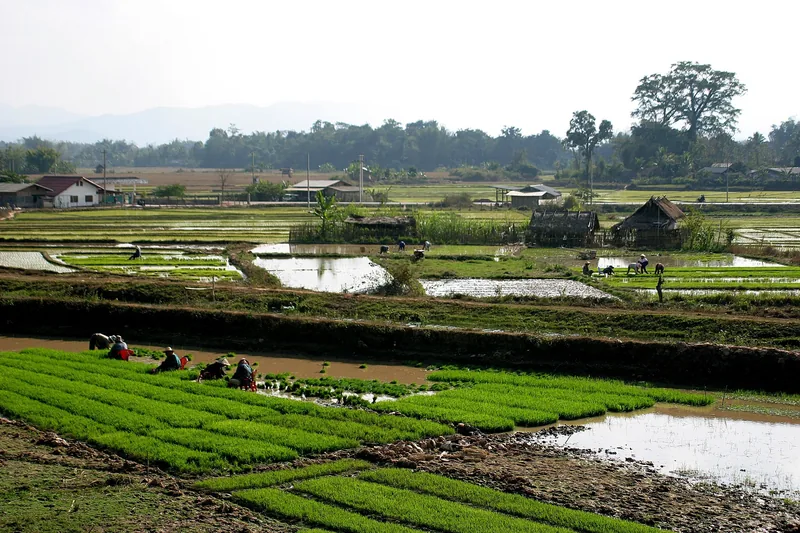
Example itinerary — fully customizable
Nam Ha Forest Trek 3 days
Three days in Laos's Nam Ha protected forest with village guides, grade 3.
View journey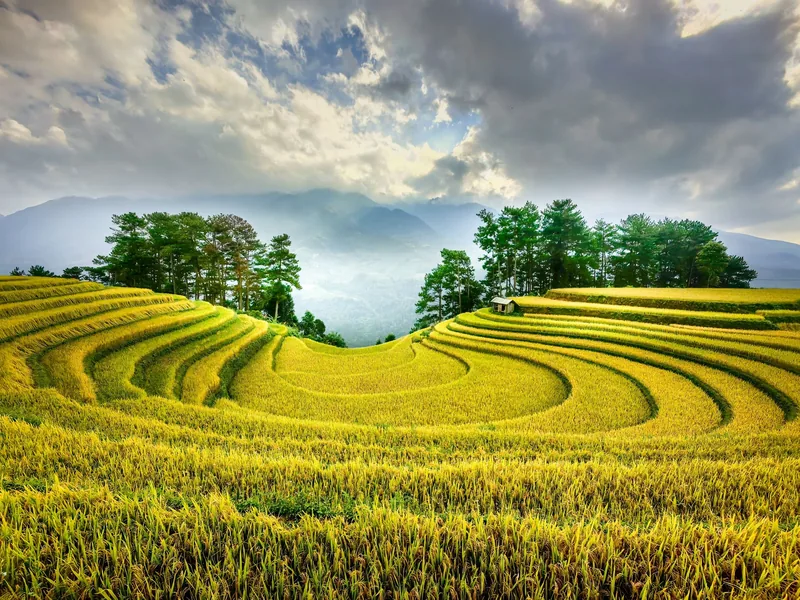
Plan · Seasons
Trekking seasons
Month-by-month trekking conditions in every region we walk.
View journey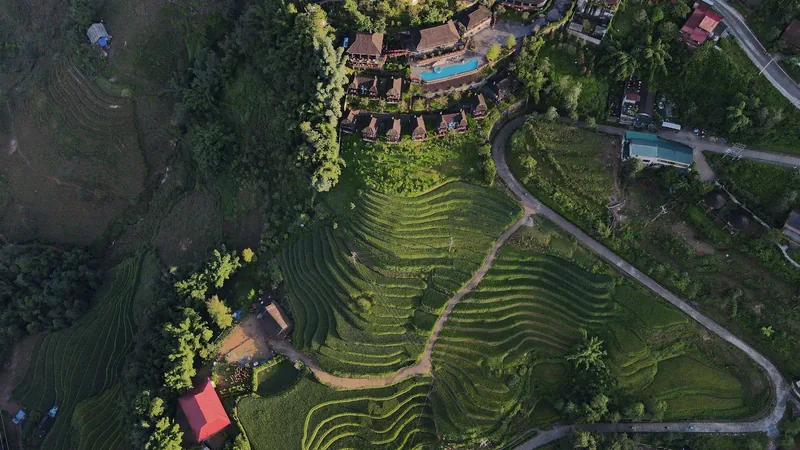
Plan · Packing
Packing list
What to carry for wet paths and cold homestay nights.
View journey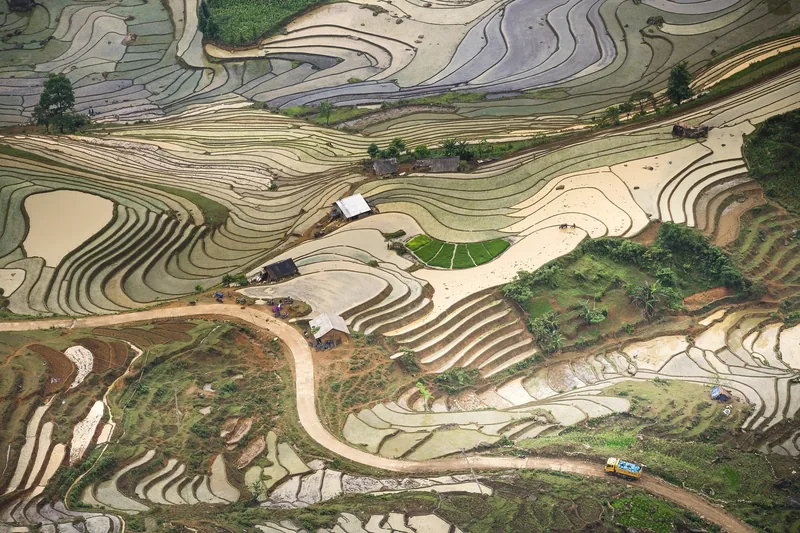
Treks · Prices
Trek prices
What goes into a trek quote, line by line.
View journey
Treks · Booking
How to book
The booking steps, what we need from you and when.
View journey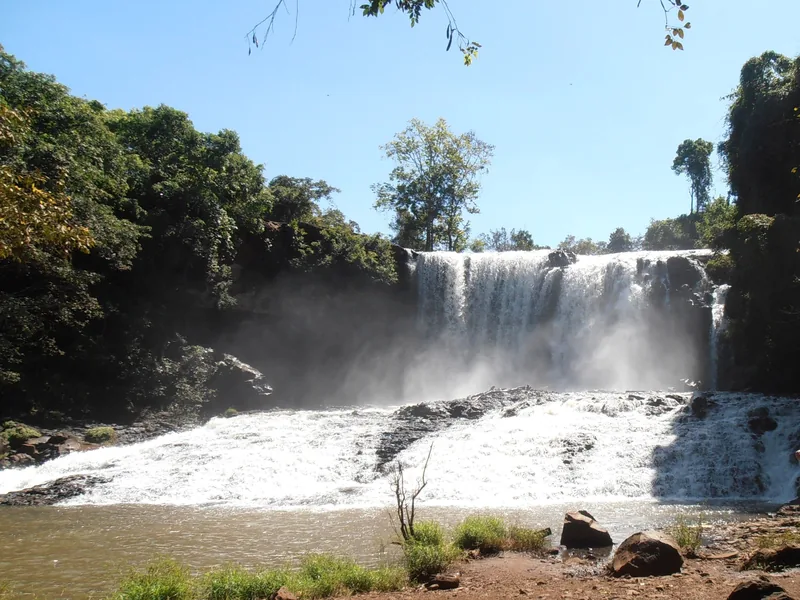
Start planning
Tell us about the trip you have in mind
Dates, party size and the places you care about are enough to start. You get a draft route and an indicative price, not a brochure.