
 Village treks · Vietnam · Laos · Cambodia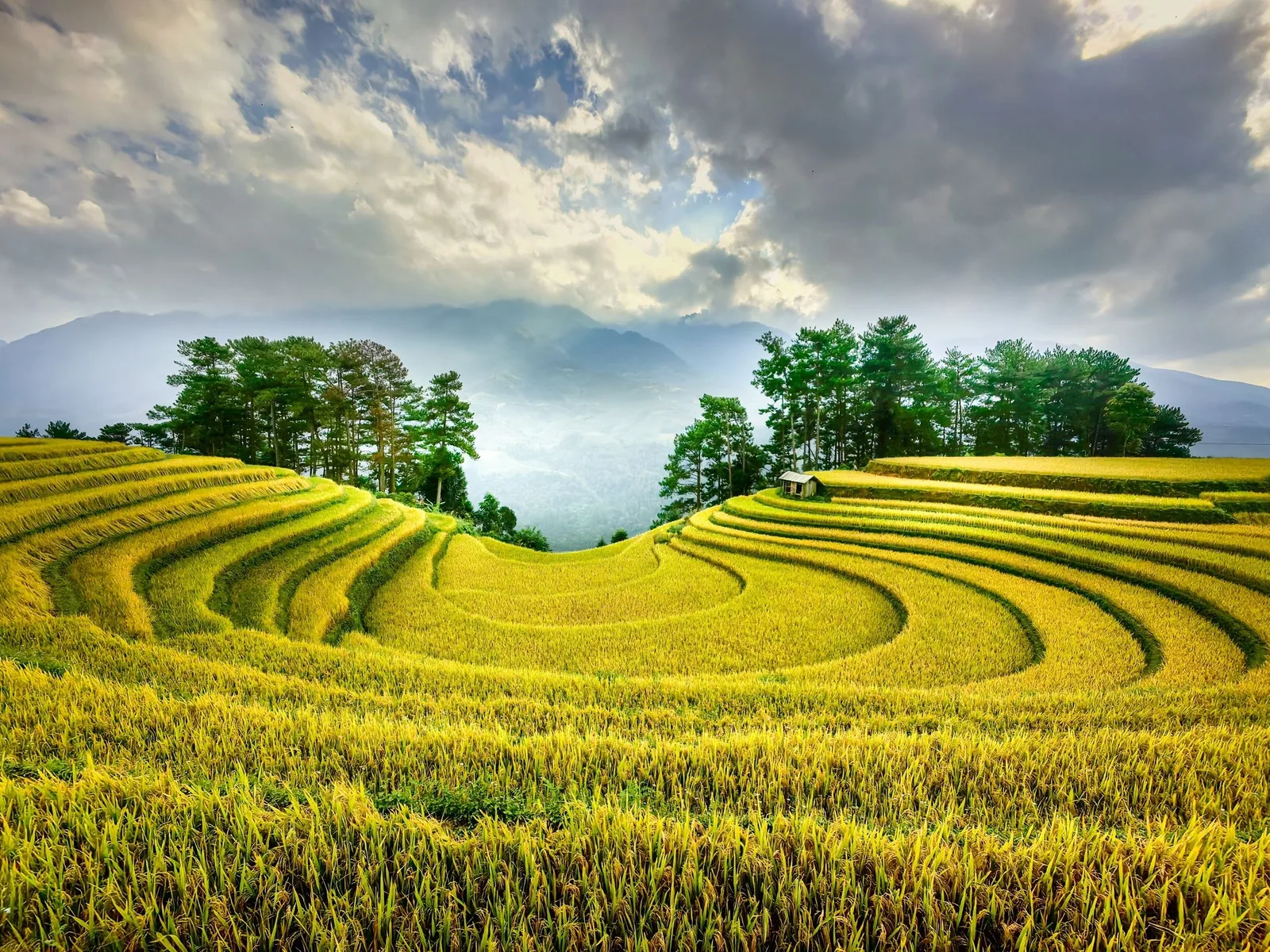
Plan · Seasons
Trekking seasons, month by month
When the terraces are green, flooded or gold, when the paths turn to clay and when the homestay nights get cold, for each of our five trekking regions.
The chart
3 = aim for these months; 2 = workable with trade-offs (cold, heat, haze or showers); 1 = wettest months, avoid if you can.
The chart is built from monthly rainfall and temperature data for Sa Pa, Luang Namtha and Sen Monorom, from harvest reports for Hoang Su Phi, and from the regional pattern for Pu Luong, which is lower and warmer than Sa Pa but shares its rainy summer. Sources are listed at the end of this section.
Sources: Sa Pa climate table (Vietnam Institute for Building Science), via Wikipedia; Luang Namtha climate (FAO 1990–2019), via Wikipedia; Sen Monorom climate table, Wikipedia; VnExpress, Hoang Su Phi rice season, 15 Sep 2025 · checked .
Northern Vietnam, season by season
September to November: the main window
Rice ripens on the terraces in September; in Hoang Su Phi the gold lasts two to three weeks and in 2025 it was over by the end of September. October brings the harvest and drier, clearer days; November is dry and cool with the fields cut. These are the busiest weeks in Sa Pa, and the only weeks Hoang Su Phi feels busy at all.
December to February: cold and quiet
Sa Pa averages a low of 6.2 °C in January, and frost is common at height. Snow has fallen in the town on several occasions in recent decades. Days can be clear, or the valleys can sit in fog for days. Paths are dry, villages are quiet, and Lunar New Year, usually late January or February, closes some homestays for family celebrations.
March to May: warming, planting
Temperatures rise, fields are prepared and flooded, and from late May into June the terraces fill with water before planting. That is the second photogenic season in Hoang Su Phi. Haze is common in spring.
June to August: the wet months
Sa Pa's records show 461 mm of rain in July and 452 mm in August, with 23 to 26 rain days a month in summer. The terraces are at their greenest. The cost is clay paths, leeches, cloud and road landslides that can cut a village off for a day.
Sources: Sa Pa climate table (Vietnam Institute for Building Science), via Wikipedia; VnExpress, Hoang Su Phi rice season, 15 Sep 2025 · checked .
Northern Laos and Mondulkiri
Luang Namtha: the dry season, November to February, is the trekking season. January and February are the driest months, with about 25 mm each, and December nights can be cold: the town has recorded 0.4 °C. March and April are hot, and smoke from field burning often hazes the hills. The rains run from May, peaking at about 300 mm in July and August.
Mondulkiri: the climate table for Sen Monorom shows almost no rain in January and the heaviest rain from June to October, peaking in August. November to February is the comfortable window; from March the days get hotter and showers build towards the rains.
Phongsaly: at about 1,300 metres with a mean annual temperature near 20 °C, it is cooler than the rest of northern Laos and follows the same dry-winter, wet-summer pattern.
Sources: Luang Namtha climate (FAO 1990–2019), via Wikipedia; Sen Monorom climate table, Wikipedia; Phongsaly, Wikipedia · checked .
Matching your month to a trek
| Your month | Go to | Why |
|---|---|---|
| Jan – Feb | Nam Ha or Mondulkiri | Driest months in Laos and Cambodia; Vietnam's hills are cold |
| Mar – Apr | Pu Luong or Sa Pa | Mild, dry enough; northern Laos is hazy |
| May – Jun | Hoang Su Phi | Flooded terraces before planting; showers building |
| Jul – Aug | Short Vietnam treks with flexible days | Wettest everywhere; we will tell you honestly if it is worth it |
| Sep – Oct | Hoang Su Phi or Sa Pa | Ripening rice and harvest |
| Nov – Dec | Sa Pa, Pu Luong or Nam Ha | Dry and cool in all three |
Rainy-season trekking, honestly
We do run treks in July and August, and some people love the green. But we plan them differently: shorter days, valley alternatives to ridge sections, an extra buffer day for road closures, and no promise that the original route will be walked as written. If your dates are fixed in those months and the trek is the main reason for your trip, consider a region with drier summers, or tell us and we will say plainly whether it is worth it that year.
The packing list covers rain gear and footwear for wet months; the regions page gives each area's access and terrain.
Plan My Trip
Got a month in mind?
Send it with your party size. We reply with the region and trek that fit it.
Common questions
Questions travellers ask most
When are the rice terraces golden?
In northern Vietnam, from mid-September into early October, for two to three weeks per valley. In 2025 Hoang Su Phi's harvest came early and ended in late September.
Is winter too cold for homestays?
Cold, not too cold. Sa Pa averages 6.2 °C at night in January and houses are unheated, but hosts give thick blankets. Bring a warm layer to sleep in.
What is the driest month for Laos trekking?
February, closely followed by January, around Luang Namtha. Both average about 25 mm of rain.
Should we avoid Lunar New Year?
Not necessarily, but some homestays close for family celebrations and transport is busy. Tell us your dates and we check availability.
Related
Read next
Plan · Route table
Route table
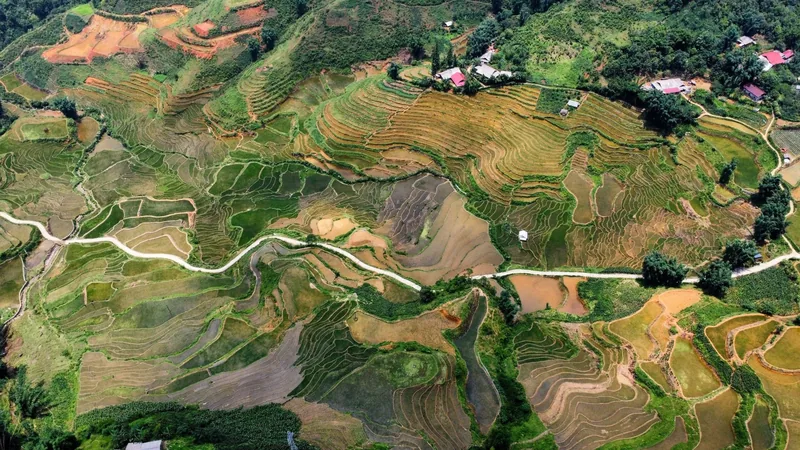
Every trek's days, distances, climbs and seasons in one table.
View journey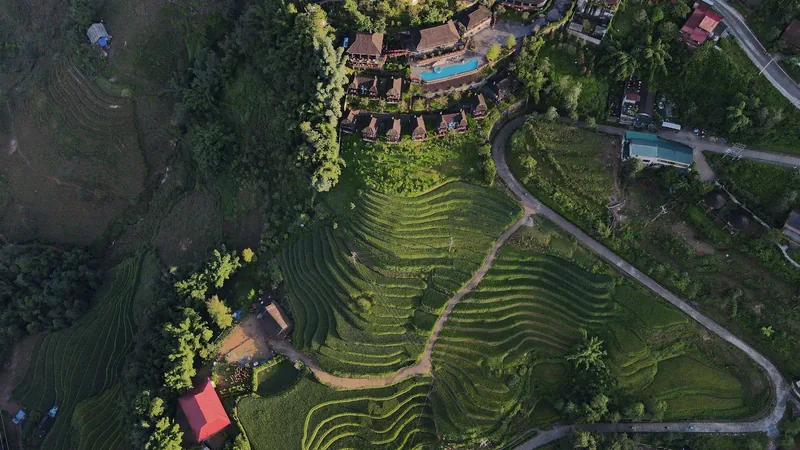
Plan · Packing
Packing list
What to carry for wet paths and cold homestay nights.
View journey
Regions
Regions
The trekking regions compared: altitude, rain, terrain, access.
View journey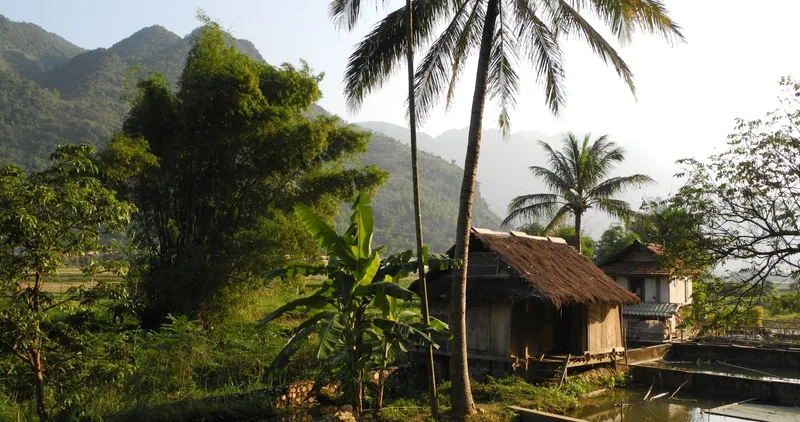
Treks
Treks
All five treks in one table, with grades, days and village nights.
View journey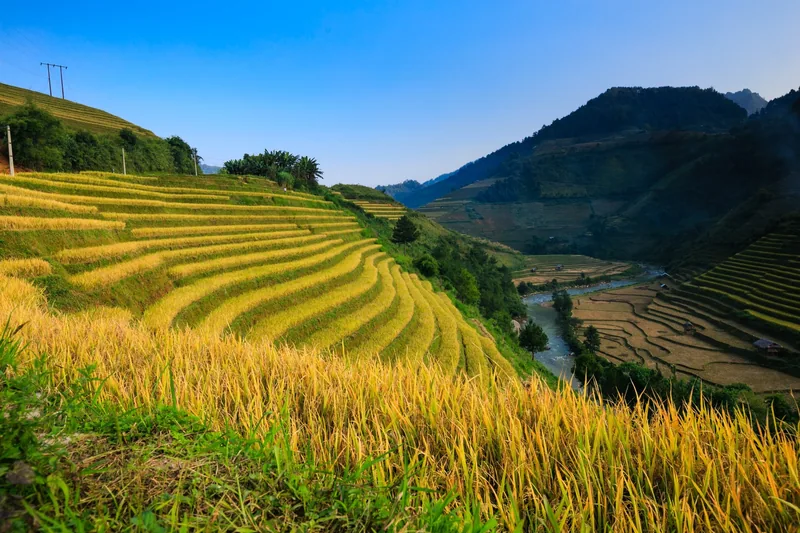
Example itinerary — fully customizable
Hoang Su Phi Trek 5 days
Five days across Hoang Su Phi's terraces, four village nights, grade 3.
View journey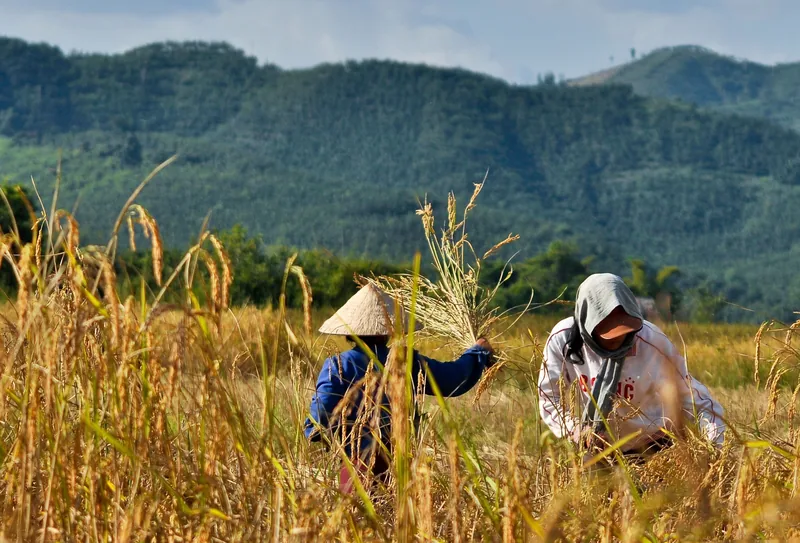
Regions · Laos
Luang Namtha
Luang Namtha for walkers: Nam Ha, access, seasons, costs.
View journey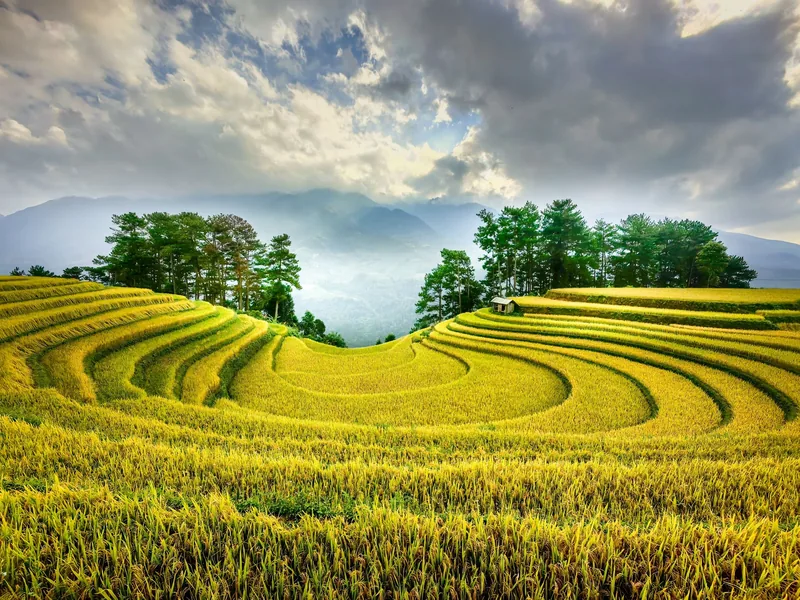
Start planning
Tell us about the trip you have in mind
Dates, party size and the places you care about are enough to start. You get a draft route and an indicative price, not a brochure.